
Gallery H · Editorial
Men's StyleGuide
01Developing personal style
Personal style is not a costume; it is a set of decisions made consistently. It begins with honesty about how you live and work — the rooms you enter, the climate you dress for, the impression you want to leave — and grows through repetition until your choices feel natural.
Start by noticing which outfits make you feel most at ease and most capable. Look for what they have in common: perhaps a particular collar, a preferred shade of blue, a certain fit through the shoulders. Those repetitions are your style taking shape.
Then edit. Remove the pieces you never reach for, and invest in better versions of the ones you wear constantly. Style is as much about what you leave out as what you add.
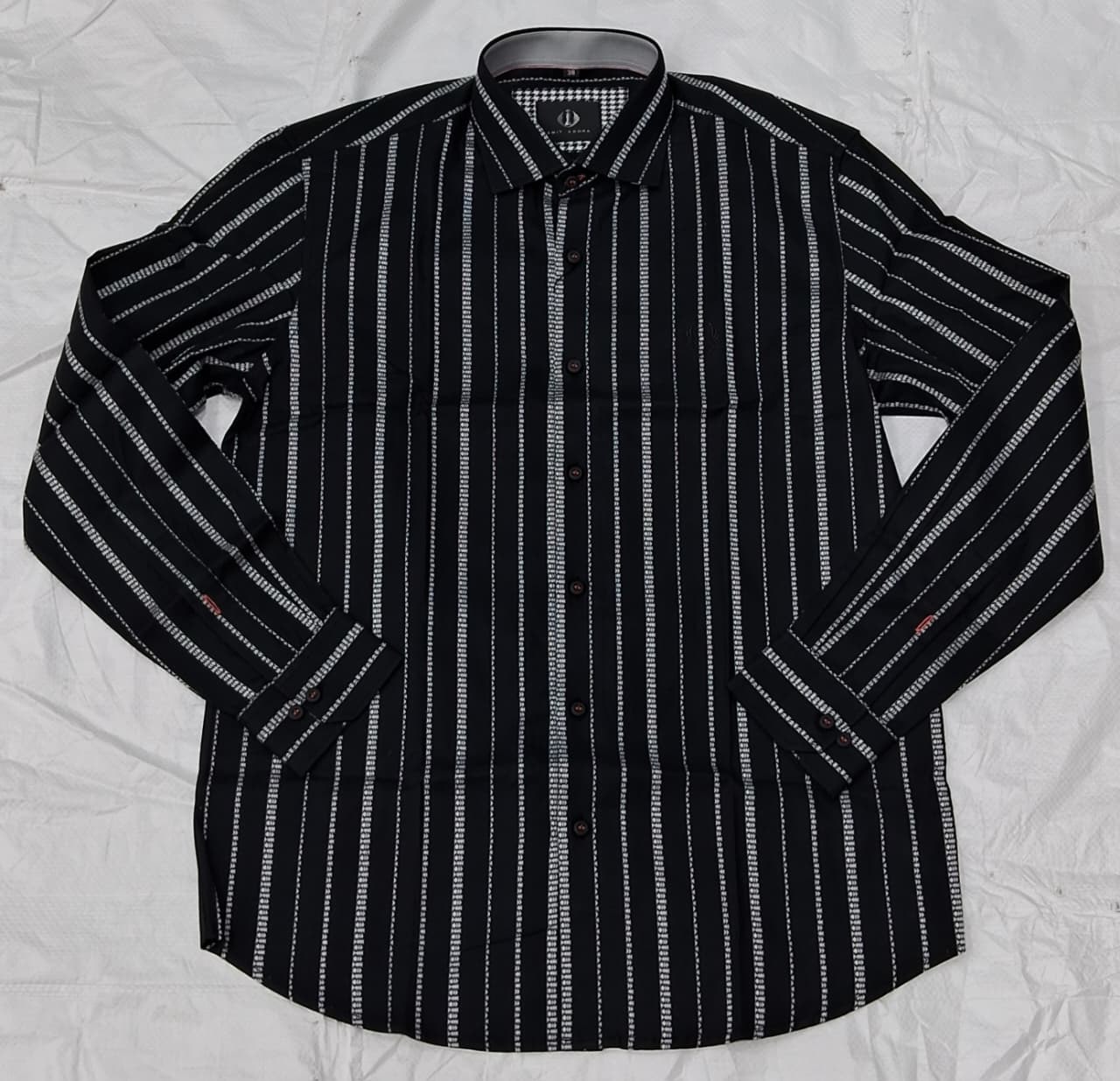
Style is a set of decisions, made consistently.Chapter 01
02Building a formal wardrobe
A strong formal wardrobe is built in layers, like a building: foundations first, then structure, then character.
- Foundation — two white and two light blue formal shirts in your best fit.
- Structure — a fine blue stripe and a subtle check for everyday variety.
- Character — one pastel, one deeper colour (navy, olive or plum) and one textured shirt.
- Tailoring — navy and charcoal trousers or suits, plus grey and beige trousers.
- Finishing — black and brown leather shoes and belts, two or three ties.
With these pieces, a working fortnight can be dressed without repeating an outfit.
03Choosing versatile shirts
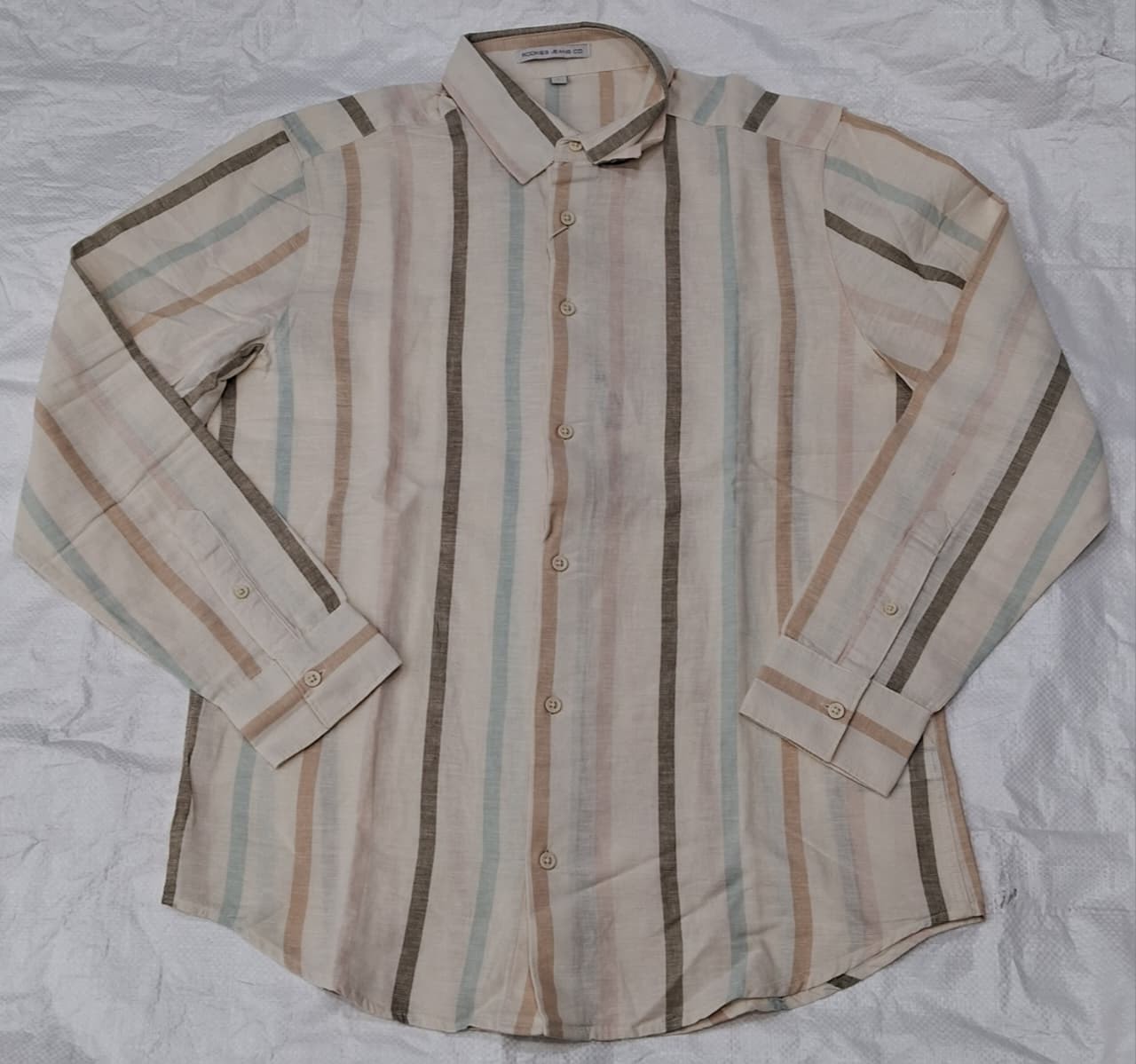
The most versatile shirts are those that work with and without a tie, with and without a jacket. Look for light or mid-tone colours, fine patterns and a collar that stands up well when open.
Neutral multi-stripes, like this sand-and-grey example, pair with navy, grey, olive and beige — four trouser colours from one shirt. Before adding a shirt to your wardrobe, ask how many existing outfits it completes.
04Understanding proportions
Proportion is the relationship between parts. In a formal shirt, collar height should suit the length of your neck; collar spread should suit the width of your face; and stripe width should relate to your build.
Taller, slimmer frames carry bolder stripes and longer collar points; broader frames are balanced by finer patterns and medium spreads. A shirt that fits well at the shoulders and chest will always look better proportioned than one chosen for colour alone.
Consider the outfit as a whole: a wide collar with a slim tie looks unbalanced, as does a heavy jacket over a very fine shirt. Shirt Fits & Silhouettes explains fit points in detail.
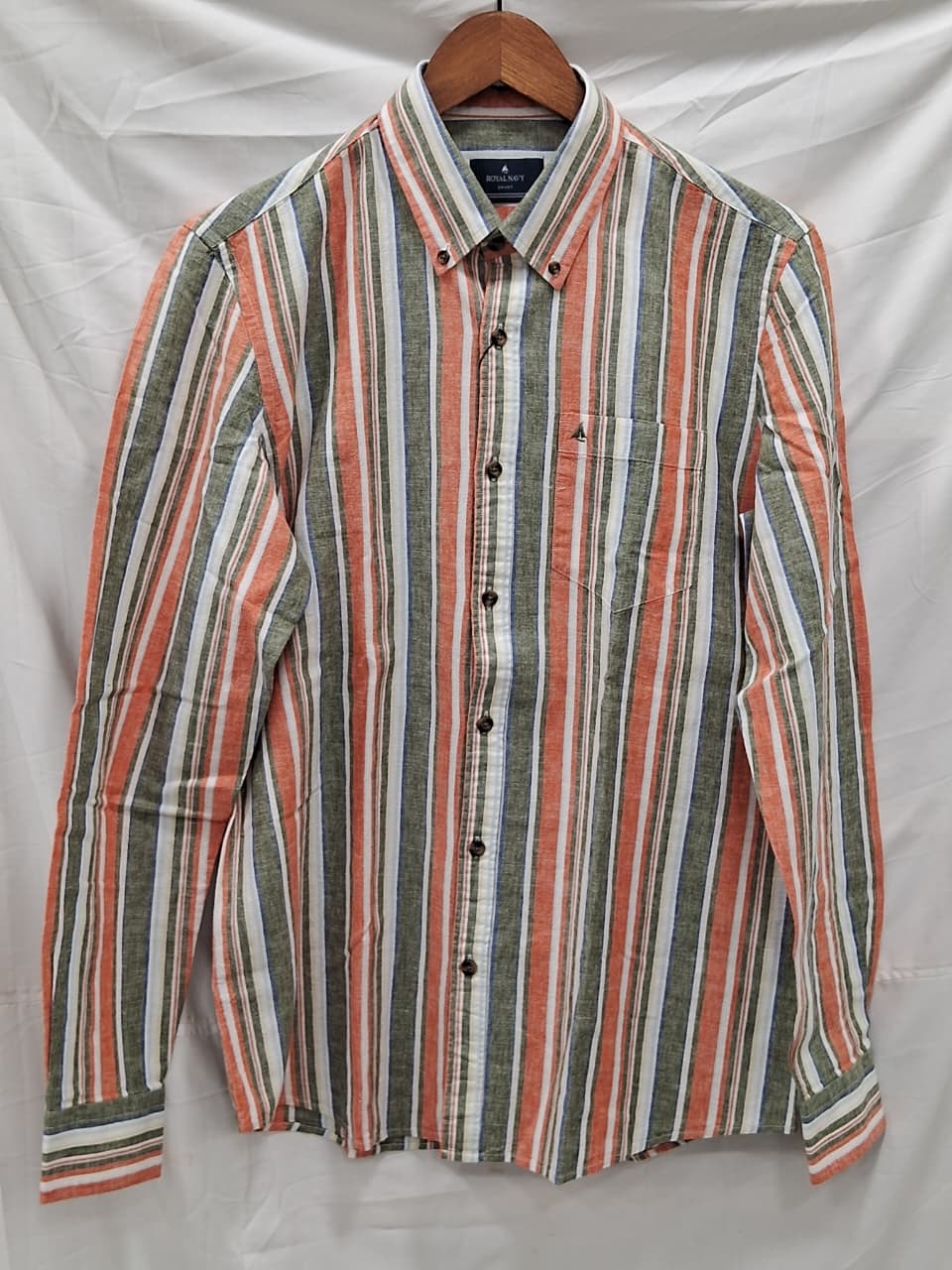
Fit first. Then colour. Then everything else.Chapter 04
05Selecting appropriate colours
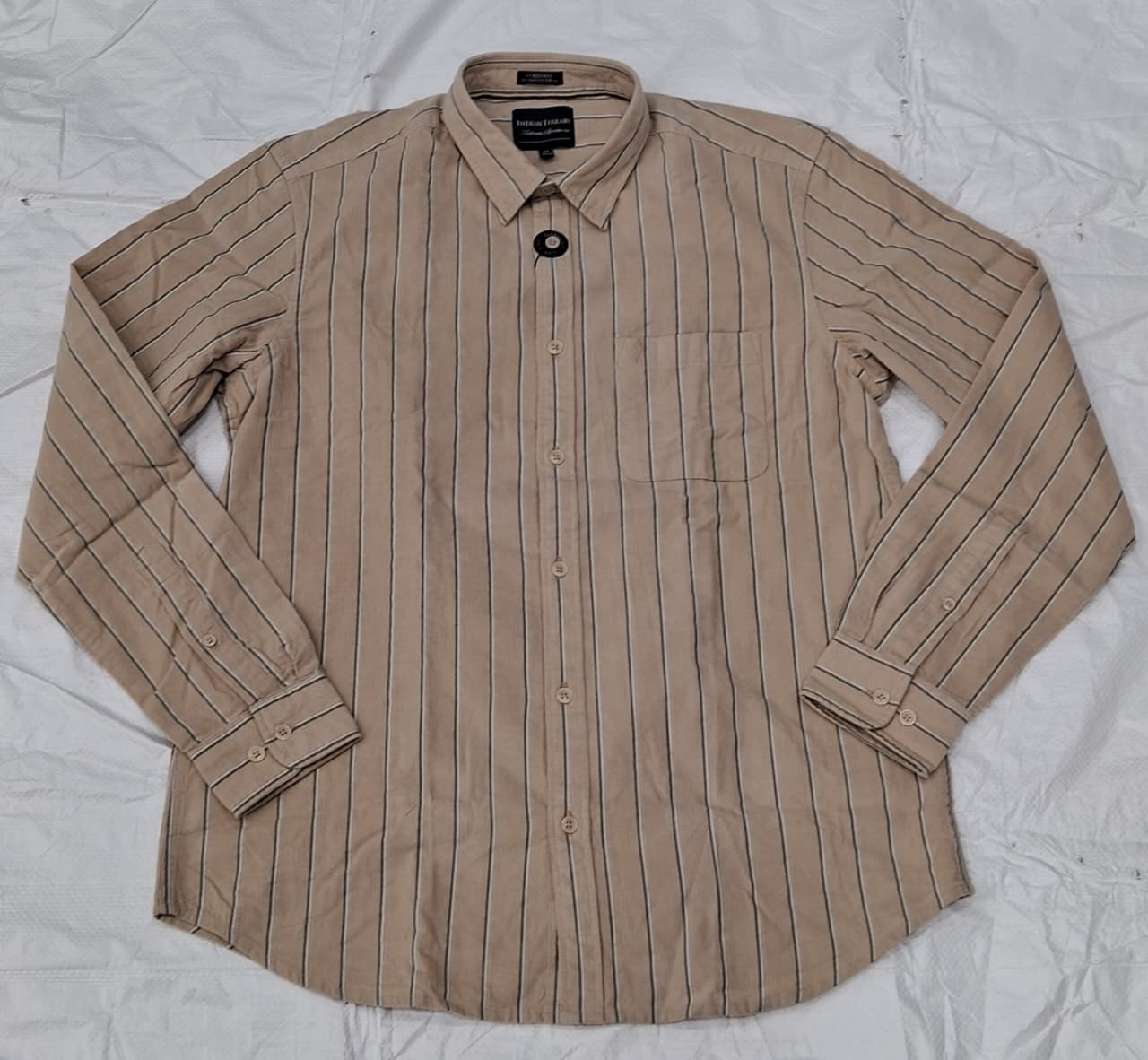
White and light blue suit nearly everyone and every formal occasion. From there, choose colours that harmonise with your complexion: warmer skin tones often suit cream, camel and warm stripes like this one; cooler tones often suit crisp white, grey and blue.
Match colour to context as well. Lighter colours feel open and fresh for daytime; deeper colours feel authoritative and suit evenings. See Colours & Patterns for a full colour study.
06Matching formal shirts with trousers
The simplest rule is contrast: a lighter shirt with darker trousers. White and light blue shirts work with navy, charcoal, grey and beige. Navy shirts work best with grey or beige; avoid pairing them with navy trousers of a similar tone.
Patterned shirts need plain trousers. Textured or heavier shirts look natural with chinos; fine poplins look best with pressed formal trousers. Always tuck formal shirts, and choose a belt that matches your shoes.
07Choosing collars
Point collar
Narrow spread. Traditional and lengthening — good for round faces and with slim ties.
Spread & cutaway
Wider opening. Suits fuller tie knots, longer faces and tieless contemporary looks.
Button-down
Relaxed and practical. Best for business casual, without a tie or with a knitted one.
08Coordinating accessories
Accessories should finish an outfit, not compete with it. A tie should be darker than the shirt and reach the belt buckle. A pocket square should pick up a colour from the shirt or tie without matching exactly.
Keep metals consistent — watch, belt buckle and cufflinks in the same tone. With patterned shirts, choose solid or very subtly textured ties; with plain shirts, ties can carry the pattern.
09Maintaining formal shirts
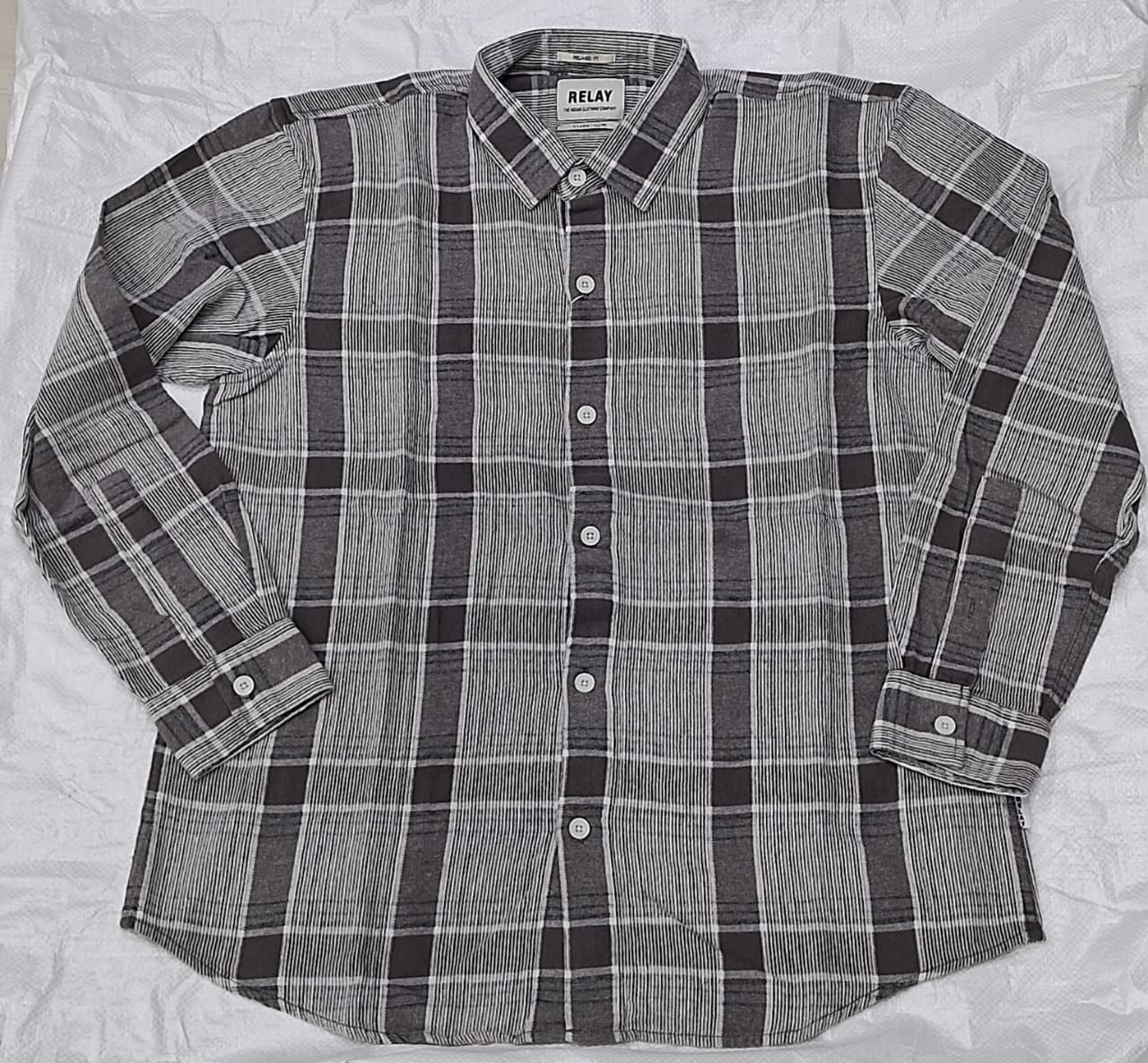
- Always follow the care label on each garment.
- Unbutton collar, cuffs and front before washing.
- Wash similar colours together; treat collar marks promptly.
- Iron while slightly damp — collar first, then cuffs, sleeves and body.
- Store on shaped hangers with space between shirts.
- Rotate shirts so each rests between wears.
10Avoiding common styling mistakes
Avoid
- Shirts that pull across the buttons or billow at the waist.
- Sleeves that cover the hand or end above the wrist.
- A collar too tight to button comfortably — or too loose to hold a tie.
- Combining a bold shirt pattern with a bold tie of the same scale.
- Dark shirts with dark trousers of the same tone.
- Untucking a formal shirt designed to be tucked.
Instead
- Choose the fit that suits your build and confirm the seven fit points.
- Let about a centimetre of cuff show below the jacket sleeve.
- Allow one finger of space inside the buttoned collar.
- Vary pattern scale, or keep one element solid.
- Create contrast between shirt and trousers.
- Keep formal shirts tucked, with matching belt and shoes.